

A transfer quote is a single number, and single numbers are easy to compare badly. Put two of them side by side on a spreadsheet and the cheaper one wins — until the invoice arrives with a waiting charge, a night supplement and a parking line that were never in the original figure.
This is what actually sits underneath a fixed fare, line by line, and which of those lines we absorb rather than pass on.
The distance itself
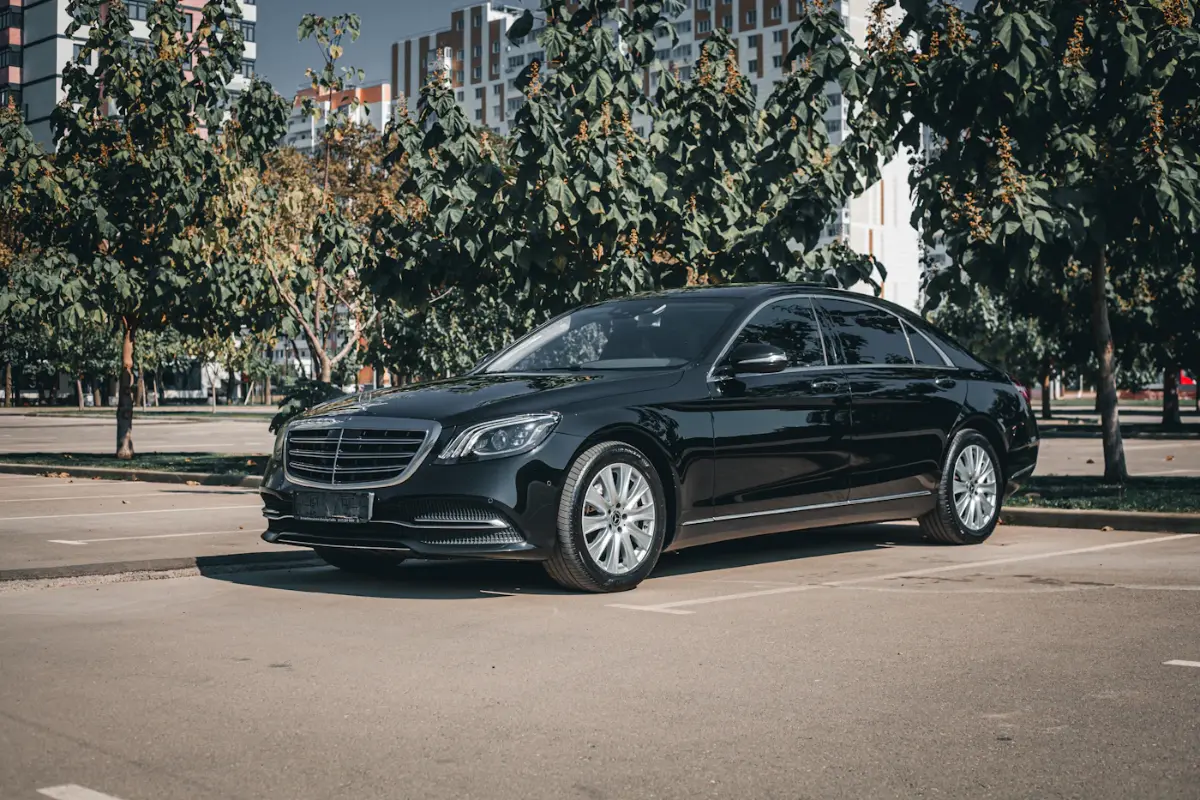
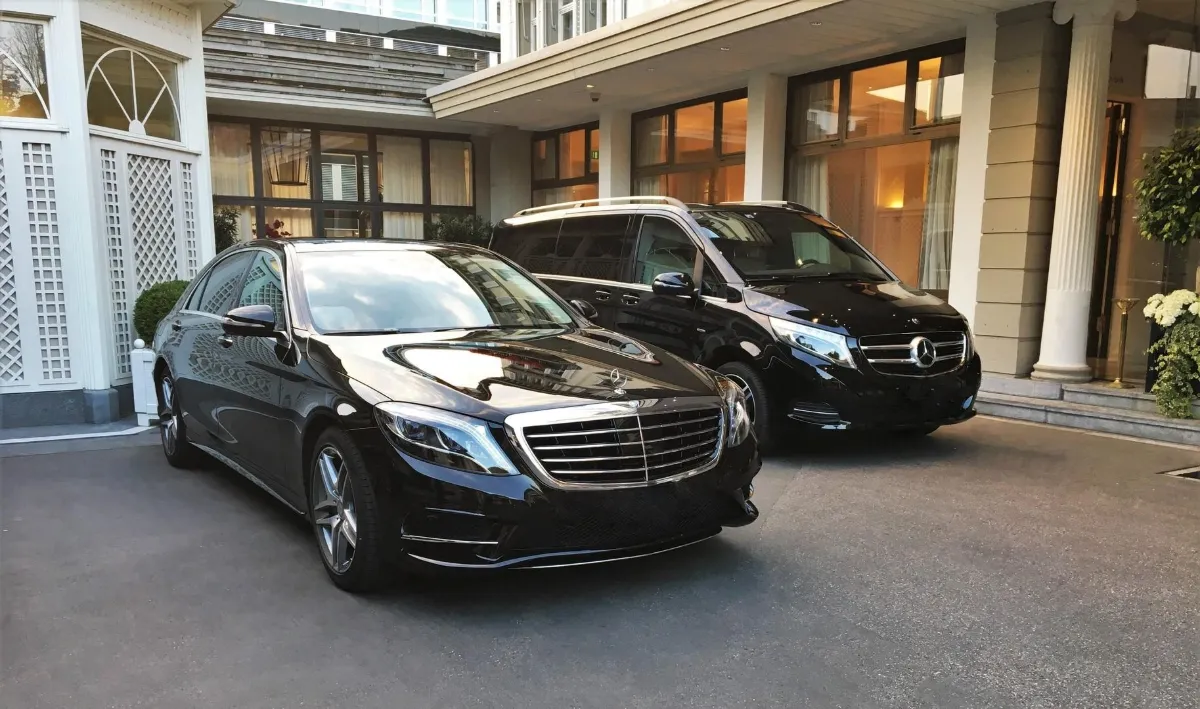
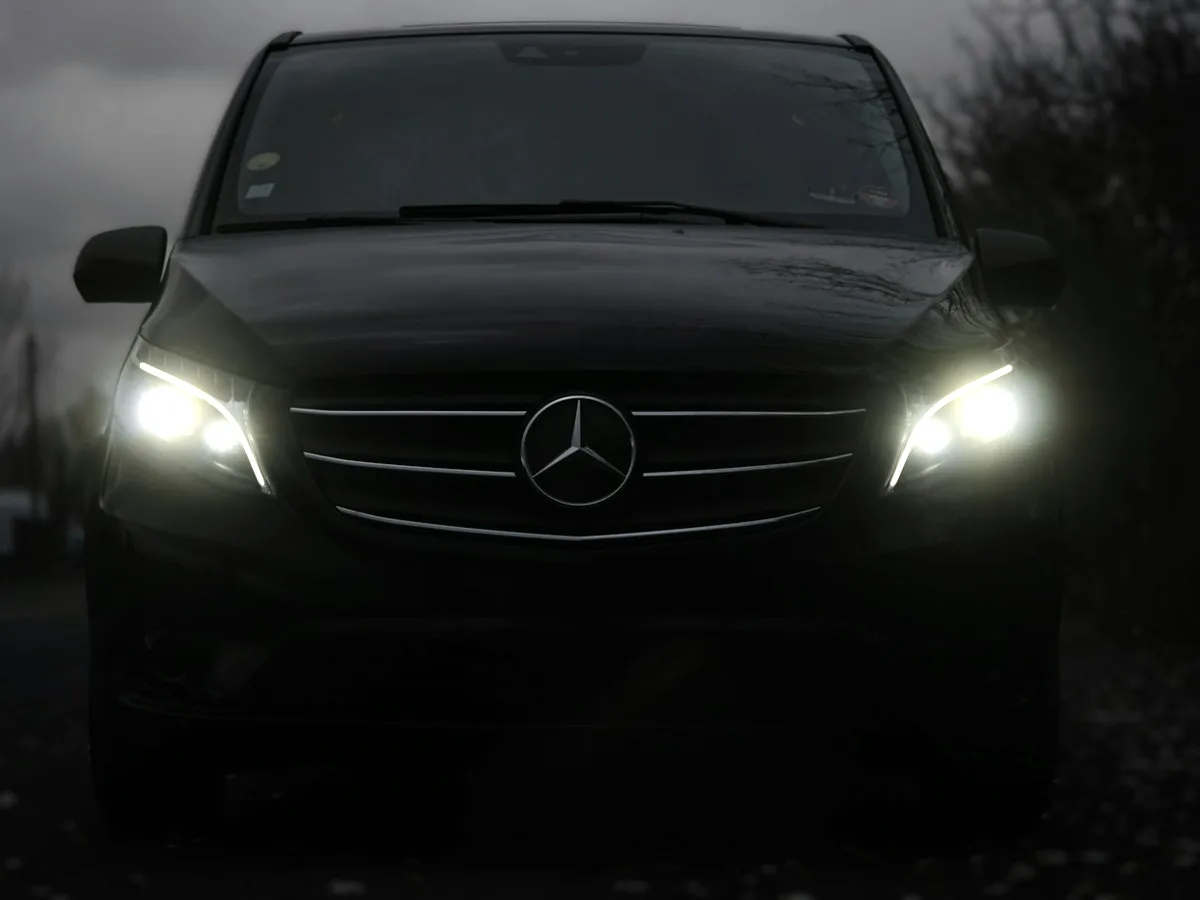
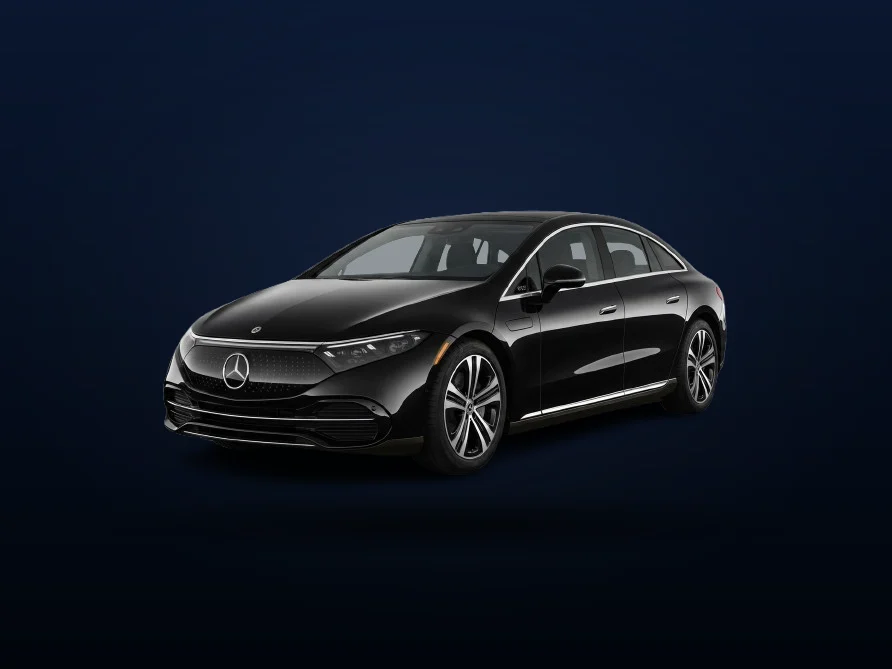
The base is the published per-kilometre rate for the class you booked: CHF 6.00 for Business, Business Van and the Electric car, CHF 7.00 for Premium and SUV. Below a certain distance the arithmetic stops being viable — a car and a chauffeur still have to leave the base and come back — so each class carries a minimum fare, CHF 120.00 or CHF 130.00. A run into Zürich city is thirteen kilometres and prices at the minimum, not at CHF 78.
Waiting
The line that most often appears after the fact. Our answer is the simplest one available: sixty minutes of waiting after landing, included, not charged. If the inbound is late we move the pickup with the flight number rather than starting a meter. A quote that does not say what happens when a flight slips is not a fixed fare.
Luggage, tolls and the vignette
Cases are not an extra. Neither is the Swiss motorway vignette, nor tolls on a cross-border leg. These sit inside the quoted figure. So do child seats, which are fitted before the flight lands at no charge.
Night hours and driver rest
A 03:40 arrival costs more to staff than a 14:00 one, and a long alpine leg has legally mandated rest built into it. That cost is already inside the published rate, on Swiss and cross-border routes alike. Only journeys beyond 320 km are quoted individually, with driver rest named in the written quote before you travel.
VAT and insurance
Passenger insurance is inside every figure we publish. VAT is not — it is its own line, at 8.1%, shown beside the net amount rather than folded into it. The distinction that matters is not whether tax is inside the headline but whether you can see it: a rate card that mentions VAT nowhere at all is the one that will be roughly eight per cent higher than it looks.
What to ask a supplier
- Is waiting time included, and for how long after landing?
- Are tolls, the vignette and parking inside the figure or added later?
- Does the quote include VAT?
- What happens to the fare if the flight is four hours late?
- Is there a night or weekend supplement, and is it named in advance?
Five questions. A supplier who can answer all five in writing before the journey is quoting a fixed fare. Anyone who cannot is quoting an opening position.